
Mural Painting Services in Summit, NJ
Transform Walls into Masterpieces with Feel Flow Space
Get a quoteBringing Fresh Artistic Vision to Walls of Summit, NJ
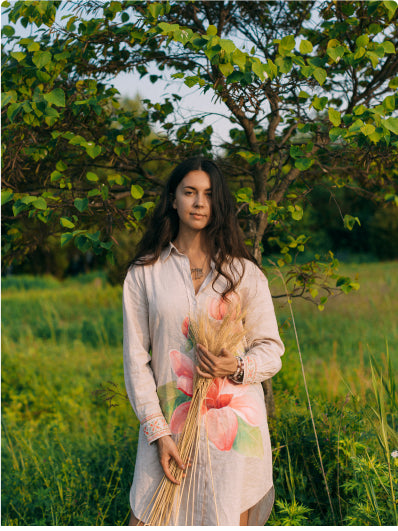
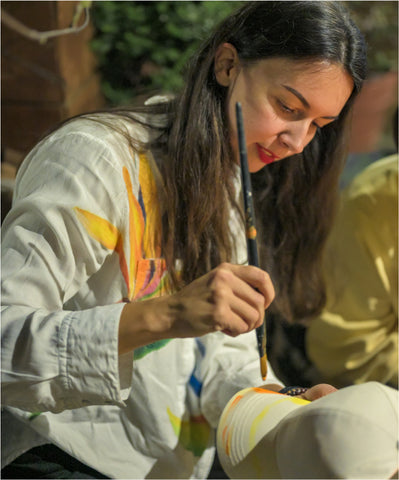
Karina is a passionate mural artist with over 10 years of experience, skilled in a variety of techniques like acrylic paint, plaster, and mixed media. She finds joy in the beauty of nature and the stories people share, using them as inspiration for her art.
Karina is indeed in love with using her artistic skills to help others transform their spaces into unique, story-filled wall mural masterpieces. Her favorite phrase, "You never know until you try" serves as a constant reminder to embrace challenges with courage and determination.



Mural styles & Techniques Used


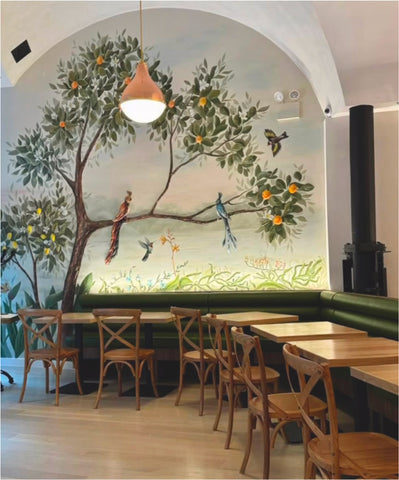
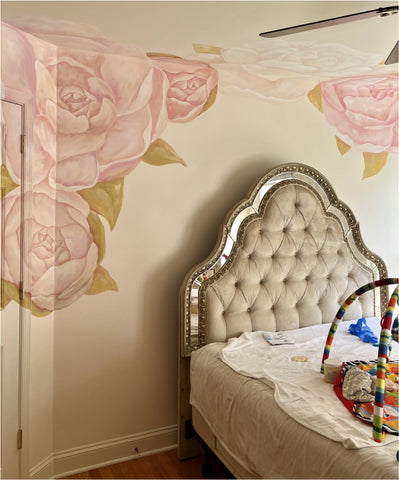
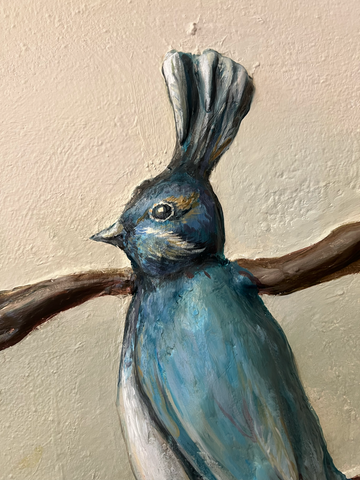
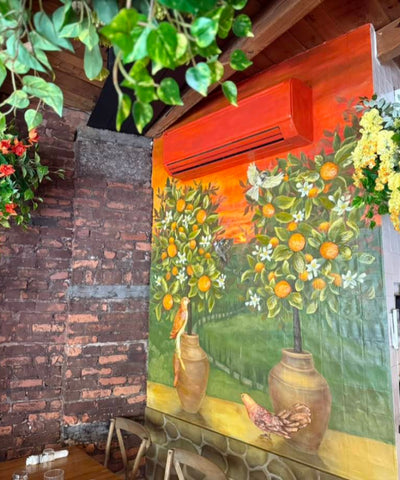
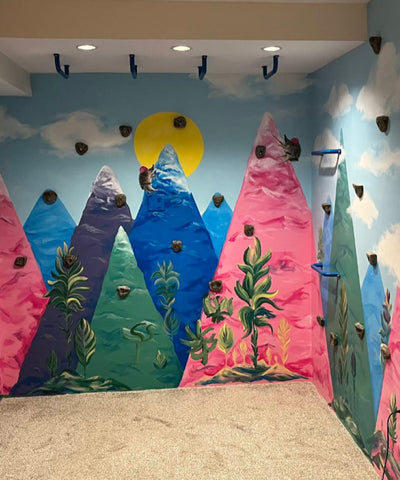
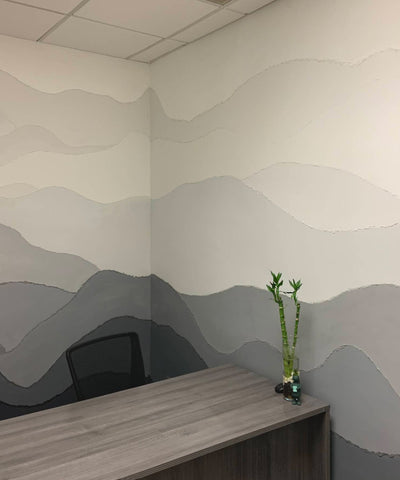
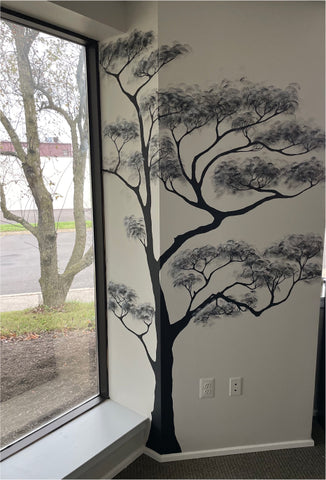
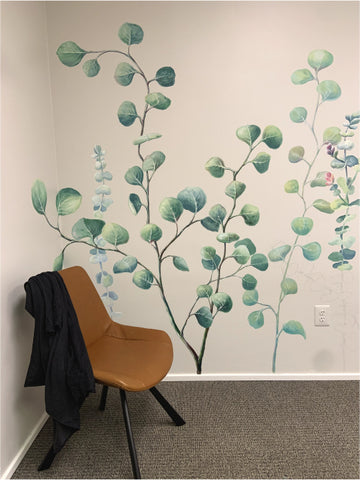
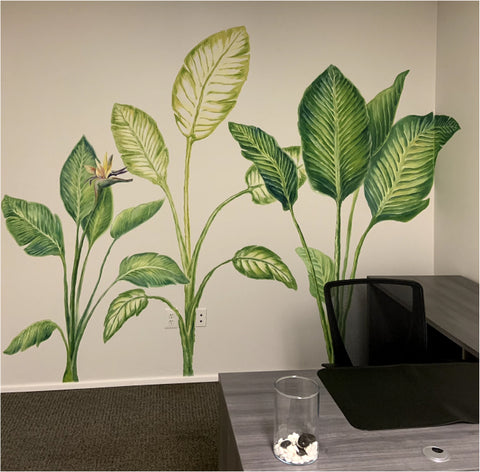
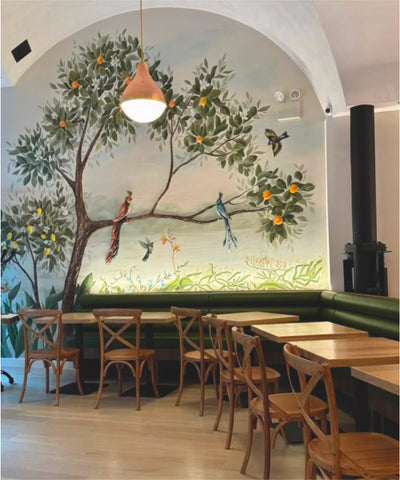
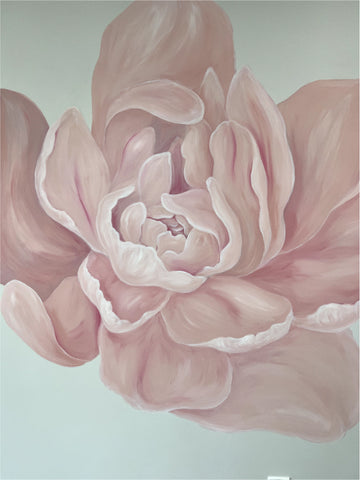
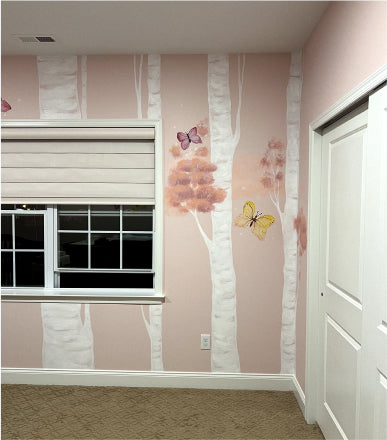
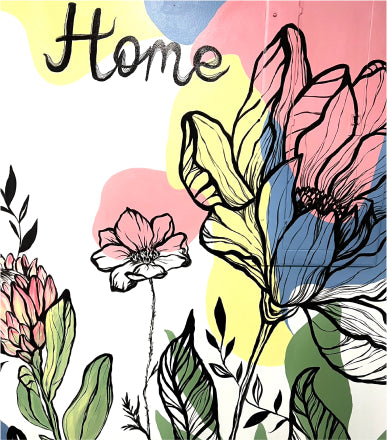
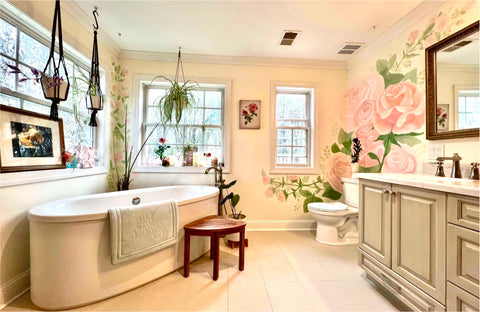
A detailed mural is a type of artwork that involves more complex mural techniques in painting, characterized by:
- Color Blends and Transitions: Detailed murals often feature seamless transitions between colors, creating a more smooth and realistic appearance.
- Complex Color Palette: These murals typically employ a wide range of colors, various shades, tones, and subtle color variations to add depth and complexity to the mural composition.


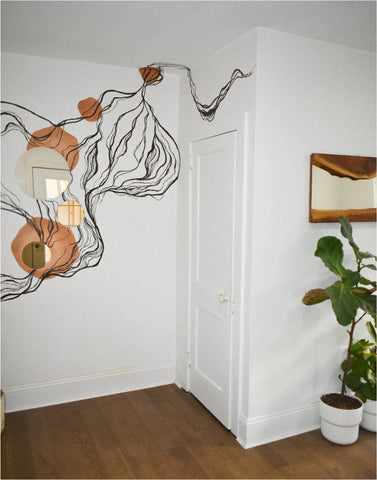
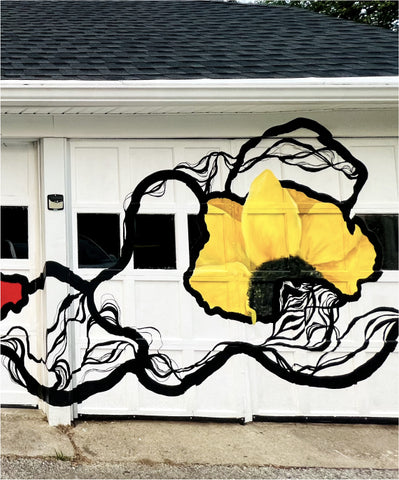
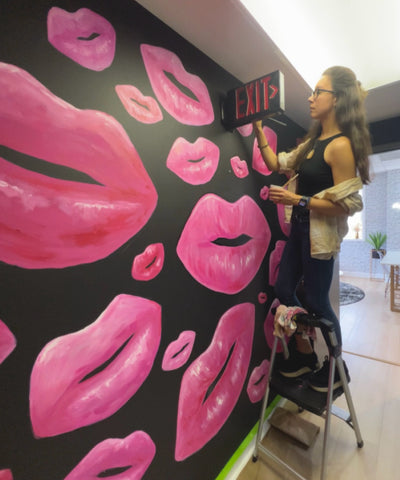
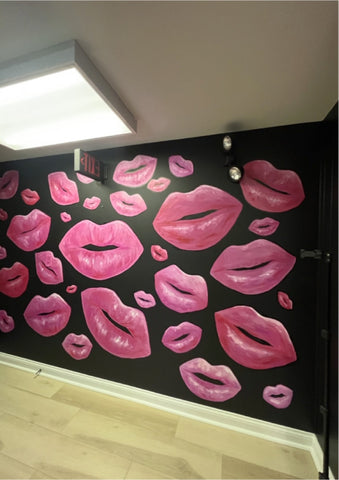
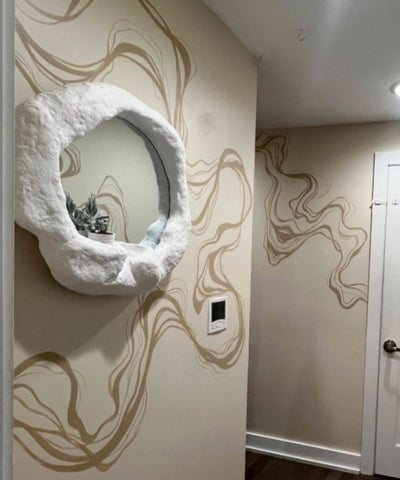
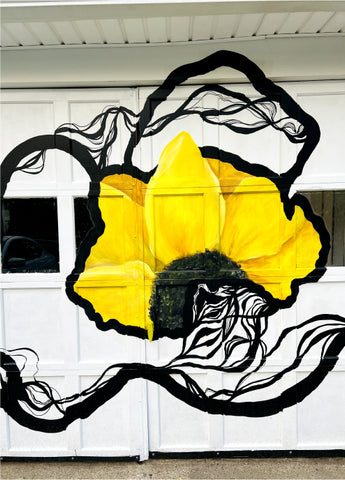
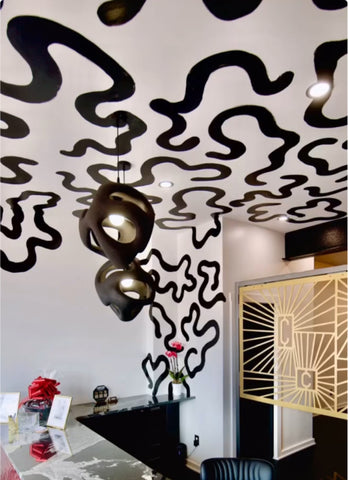
Abstract style murals represent a departure from the realm of realistic depictions. Here are some key features and explanations of abstract style murals.
- Flat and Bold Colors: Abstract murals often employ bold and flat colors, which means that they do not incorporate intricate color blends or transitions. This use of flat colors contributes to the mural's simplicity and clarity.
- Simplified and Unrealistic Forms: In contrast to realistic depictions, abstract murals feature simplified and often unrealistic forms and shapes.


Benefits of Mural Painting


Client Testimonials

Areas We Serve
Why Choose Us in Summit, NJ
Personalized service from a skilled Summit, NJ mural artist
Commitment to creating impactful, transformative art for any space
Timely project completion
Transparent and flexible budgeting options
Expertise in various mural painting techniques for different surfaces
Direct communication with the artist throughout the project
Use of premium, long-lasting paints and materials
Ability to work alongside interior designers, architects, or other contractors
The tree-lined streets of Summit hold stories within every restored Victorian, every modernist renovation, every preserved Colonial that anchors this Union County enclave. We bring those stories to your walls—not through generic decoration, but through custom mural painting that honors both your vision and the architectural legacy surrounding it. Our team specializes in transforming blank surfaces into narrative spaces that feel as carefully curated as the rest of your home or business.
Summit's unique blend of commuter convenience and village charm creates spaces that demand more than off-the-shelf art. Your walls deserve the same thoughtful attention you bring to every other design decision. Whether you're renovating a Woodland Avenue estate or refreshing a downtown professional office, hand-painted murals offer a level of personalization that prints and wallpaper simply cannot match. The process begins with understanding how your space wants to evolve—and we've spent over a decade learning to listen.
What makes mural work different here? Union County's architectural diversity, for one. The shift from traditional to contemporary happens within blocks, sometimes within single homes where original millwork meets open-concept additions. We navigate those transitions daily, creating work that respects historical context while embracing modern living. Some walls ask for bold botanical scenes that bring the Reeves-Reed Arboretum indoors. Others want subtle trompe l'œil that extends sightlines and amplifies natural light. Both approaches require the same technical precision—just applied to different ends.
Custom Murals We Design for Residential and Commercial Spaces in Summit, NJ
Grand residential murals transform the rooms where life actually happens. Formal living rooms become gallery spaces without the gallery. Libraries gain depth and intellectual atmosphere through carefully planned compositions. Dining rooms take on new energy when surrounded by landscapes that shift with the light throughout the day. Master suites become authentic retreats when accent walls carry the visual weight that furnishings alone cannot provide.
Estate feature walls serve architectural purposes beyond pure aesthetics. A mural painter working in foyers understands that first impressions set the tone for everything that follows. Stairwell murals draw the eye upward, making transitions between floors feel intentional rather than utilitarian. Home offices need visual interest that doesn't compete with Zoom backgrounds or create distracting reflections on screens. Sunrooms present unique lighting challenges—intense brightness that would fade lesser materials within months. We account for all of it.
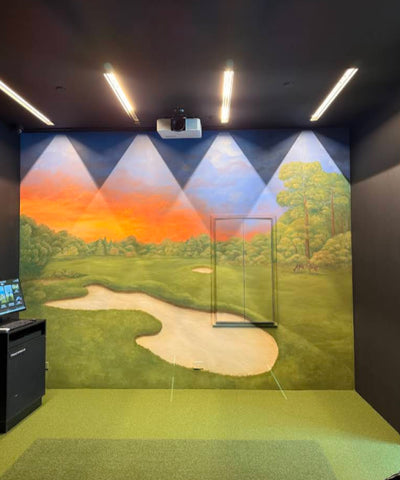
Specialty decorative murals require entirely different skills. Trompe l'œil isn't just "painting something realistic"—it's about understanding perspective, light behavior, and viewer positioning so precisely that the illusion holds from multiple angles. Classical motifs demand knowledge of proportion systems that date back centuries. Landscape scenes in interior settings need atmospheric perspective and color theory that create depth without overwhelming intimate spaces. These aren't techniques you improvise; they're disciplines we've refined through thousands of hours of actual wall time.
Outdoor Applications and Protective Finishes
Exterior accent walls face weather challenges that interior surfaces never encounter. The question isn't whether your muralist for hire can paint outdoors—it's whether they understand how UV exposure, temperature swings, and moisture cycles affect different paint systems over years, not months. We use protective coatings engineered for Northeast weather patterns. Your investment shouldn't fade by the third summer or crack by the second winter.
Village homes and professional spaces have different visibility considerations. A residential exterior mural might be visible only from your property and immediate neighbors—you control the context. Professional space murals face public scrutiny from day one. Both deserve work that holds up under examination, but the stakes feel different when your business reputation is connected to what's on your building's facade.
Why Wall Mural Painting Works in This Market
Summit, NJ luxury real estate market moves on to details. Buyers who can afford homes here notice tile grout, hardware finishes, and paint sheens. They'll absolutely notice whether your wall art looks hand-crafted or merely hand-applied. The difference comes down to understanding composition at scale—something that translates poorly from canvas work or smaller formats. A piece that succeeds at 24x36 inches might fail at 8x12 feet if the artist hasn't adjusted for viewing distance and peripheral vision.
Property value elevation happens when improvements feel integral rather than added. Commercial wall murals in downtown office buildings shouldn't scream "we hired an artist"—they should whisper "this space was designed with intention from the beginning." The same principle applies to residential work. Your foyer mural should feel like it was always meant to be there, like removing it would leave a void beyond just blank drywall.
Architectural integration requires conversation. We've worked with enough designers and architects to know that collaboration produces better outcomes than artistic ego. Sometimes the correct answer is pulling back from initial concepts because the architecture already carries sufficient visual weight. Other times, it's pushing further because a space needs that jolt of unexpected color or pattern. Reading these situations correctly—that's what separates adequate mural work from pieces that genuinely transform how spaces function.
Durable finishes matter more than most clients initially realize. Humidity fluctuates significantly between New Jersey summers and winters. Lesser paint systems respond by expanding and contracting at rates that create micro-cracks within eighteen months. Premium materials cost more upfront but maintain appearance and structural integrity for years longer. We don't hide these cost differences—we explain them clearly during initial consultations so you can make informed decisions about long-term value.
Indoor Wall Art That Complements High-End Interiors
High-end interiors already carry significant visual complexity. Molding profiles, finish carpentry, textiles, furniture forms—every element competes for attention. Adding indoor wall art through mural work means finding the right balance between presence and restraint. Some spaces need that commanding focal wall that anchors everything else. Others need subtle background work that supports rather than dominates. Both require technical skill; they just express it differently.
Art collections present their own considerations. If you've invested in significant paintings or sculptures, your mural should enhance rather than compete with them. This might mean working in complementary color ranges, creating visual breathing room through negative space, or developing patterns that echo themes present in your collection without duplicating them. We've painted walls in homes with museum-quality collections and learned to be generous with visual silence.
Designer coordination happens naturally when everyone respects their domain. Interior designers bring expertise in spatial flow, lighting, and how occupants will actually use rooms. We understand how paint behaves on vertical surfaces at various scales. Combining those knowledge bases produces results neither party could achieve alone. The best projects feel seamless because everyone checked ego at the door and focused on serving the space first.
Murals in Homes Across Diverse Architectural Styles
Traditional estates demand different approaches than contemporary builds. Colonial homes often feature smaller, more intimate rooms, where mural work must expand perceived space without overwhelming the period-appropriate scale. Victorian homes have ornate existing details that require careful visual navigation—add too much, and rooms feel cluttered; add too little, and the mural reads as an afterthought. Craftsman homes typically feature wood as a primary material, so mural colors must harmonize with specific wood tones rather than clash with them.
Modern architecture creates its own set of opportunities and constraints. Open floor plans mean your mural might be visible from four rooms at once—each viewing angle matters. Floor-to-ceiling windows flood spaces with natural light that changes dramatically throughout the day. Your mural needs to work in both harsh midday brightness and softer morning glow. Neutral contemporary palettes often mean murals carry most of the color burden in a space. That's exciting, creative territory, but it also means getting color relationships exactly right.
Mixed-style homes require the most careful thinking. When original 1920s sections connect to 2020s additions, mural work can either highlight the awkward transition or help blend it naturally. Sometimes we paint different styles in different zones, letting each area maintain its character. Other times, we develop bridging concepts that pull visual threads through both old and new sections. There's no formula here—every situation demands its own solution.
Surface Preparation Across Material Types
Plaster walls need a different prep than drywall. Paneled walls present entirely different challenges. Specialty surfaces like Venetian plaster or limewash finishes require approaches we wouldn't use on standard painted drywall. This isn't just a technical detail—it directly affects how long your mural lasts and how true colors remain over time. Poor surface prep creates adhesion problems that show up six months later as peeling or flaking. We've seen too many murals fail from shortcuts at this stage.
Historical preservation standards apply to many properties in this area. If you're working with the Historical Preservation Commission or maintaining a home on the local registry, materials and techniques must meet specific requirements. We've navigated those conversations before and understand both what's negotiable and what isn't. Sometimes traditional methods produce superior results; other times, we advocate modern materials that outperform period-accurate options while remaining visually appropriate.
How a Mural Company Approaches Complex Projects
Complex projects reveal whether your mural artist for hire truly understands their craft. Simple wall fills—painting a solid composition on a flat, accessible surface—require skill but not necessarily problem-solving. Complex work involves difficult viewing angles, multi-surface transitions, challenging lighting, tight timelines, or integration with ongoing renovation work. These projects demand flexibility, communication, and willingness to adapt approaches when initial plans meet reality.
Renovation schedules create coordination challenges. Your mural work might need to happen after the electrical is updated, but before the final trim goes in. Or after flooring but before furniture arrives. We've learned to slot into these windows efficiently because delays cascade through entire project timelines. Commuter lifestyles mean many clients need weekend consultations or evening check-ins. We accommodate these patterns rather than forcing everyone to adhere to standard business hours.
Multi-room concepts require thinking beyond individual walls. When murals flow between connected spaces, compositional decisions in one room affect options in the next. Color transitions need to feel intentional rather than arbitrary. Scale shifts should guide movement through spaces rather than creating jarring visual stops. This kind of holistic thinking distinguishes adequate mural work from installations that truly enhance your daily experience in your home.
Understanding Mural Painting Cost Factors
Pricing depends on scope, complexity, surface conditions, and timeline requirements—not on arbitrary square footage formulas. A 100-square-foot mural with intricate botanical detail and challenging perspective work costs more than a 200-square-foot geometric pattern. Surface prep for damaged plaster costs more than for new drywall. Rush timelines cost more than flexible schedules. We break down these factors clearly during proposals so you understand precisely what drives numbers.
Size matters, but not as simply as most people assume. Larger murals don't necessarily cost proportionally more per square foot because efficiency increases at specific scales. Very small murals (under 20 square feet) sometimes cost more per square foot because setup and design time don't scale down proportionally. The sweet spot depends on your specific project scope—something we discuss openly during initial conversations.
Design complexity affects both time and materials. Simple color-blocked patterns might need two or three paint colors. Detailed landscape scenes require twenty color mixes to achieve proper depth and atmospheric effects. More colors mean more mixing, more application time, and more careful transitions between tones. Specialty finishes, such as metallic accents, textured surfaces, or protective topcoats, add both material and labor costs. None of this is padding—it's an accurate accounting of what creating lasting quality actually requires.
Timeline flexibility helps manage costs. If we can schedule your project during slower periods, we can offer better rates. If you need work completed on aggressive timelines, expect premium pricing because we're rearranging other commitments to accommodate yours. Both approaches have legitimate uses depending on your situation—one isn't universally better than the other.
Materials and Methods for Long-Term Durability
Premium paints matter more than most clients initially recognize. Cheaper formulations use lower pigment concentrations and inferior binders, which means colors shift faster and adhesion fails sooner. Artist-grade acrylics maintain color trueness through years of UV exposure and environmental fluctuations. The upfront cost difference might seem significant, but it disappears when calculated across a mural's expected lifespan.
Protective coatings extend functional life substantially. Unprotected murals in high-traffic areas show wear within months. Protected surfaces maintain appearance for years, even with regular contact. Different spaces require different levels of protection—a bedroom mural faces minimal wear, while a restaurant mural near seating needs commercial-grade protection. We match coating systems to actual use patterns rather than applying uniform solutions everywhere.
Application techniques directly affect longevity. Proper layering prevents premature failure. Adequate drying time between coats ensures structural integrity. Using appropriate tools for different effects—some work best with brushes, others with spray application—creates surfaces that hold up under scrutiny and time. These technical details don't usually interest clients, but they absolutely affect results.
Integration with Architecture and Existing Design Elements
Architectural features shouldn't be ignored or hidden—they should be incorporated. Crown molding, chair rails, built-in shelving, window casings, door frames—these elements define room character. Brilliant mural work acknowledges and enhances rather than competing. Sometimes that means painting around features, letting architectural detail create natural borders. Other times it means extending compositions across elements to create unified visual fields.
Lighting conditions change how colors appear. North-facing rooms receive cooler, more consistent natural light. South-facing spaces get warmer, more dramatic light that shifts significantly throughout the day. Artificial lighting adds another variable—LED, incandescent, and fluorescent sources all render colors differently. We consider these factors during design phases, sometimes testing color samples under the actual lighting conditions where your mural will live.
Furniture placement affects composition decisions. If a sofa will always sit against your mural wall, we plan around that reality rather than pretending the entire surface will be visible. If room layouts change, we design compositions that work under multiple furniture arrangements. These practical considerations prevent situations where your mural looks perfect in photos but awkward in daily life.
Consultation Process and Project Timeline
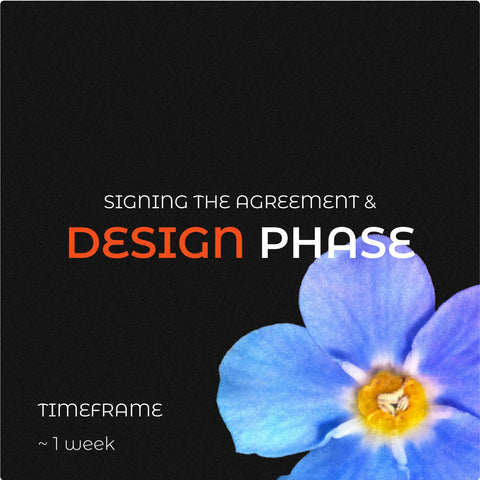
Initial consultations explore possibilities before committing to specific directions. We visit your space, discuss your vision, review existing architectural features, assess surface conditions, and talk through budget parameters. This conversation establishes whether expectations align with reality—better to discover mismatches early than after design work begins.
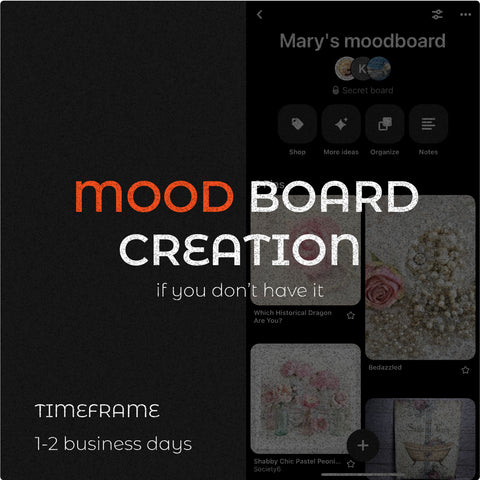
Design development happens collaboratively. We create digital mockups that help visualize how concepts will translate at full scale in your actual space. Revisions refine approaches until everyone feels confident about the direction. This phase takes time—rushing it produces compromises that nobody thoroughly enjoys. Some clients know exactly what they want from day one. Others need more exploration to discover their vision. Both paths lead to successful projects if we allow adequate time.
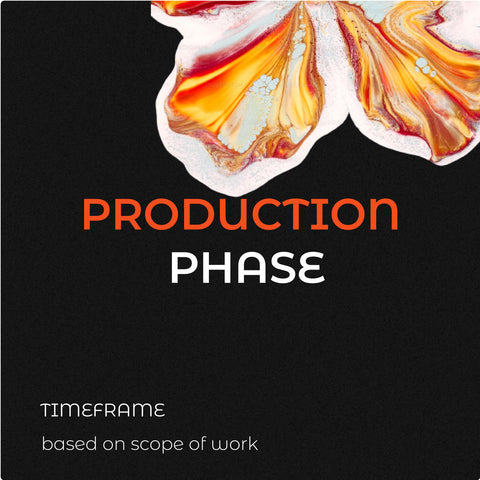
Production timelines vary dramatically based on scope. A simple 50-square-foot geometric pattern might take a few days. An elaborate 200-square-foot landscape scene with detailed foreground, middle ground, and atmospheric background could require weeks. We provide realistic timeline estimates in proposals, then confirm the schedule as the project starts. Life happens—sometimes schedules shift. We communicate proactively about changes rather than letting surprises emerge.
Serving Summit, NJ Distinctive Character
Union County combines commuter convenience with genuine community identity—something increasingly rare this close to Manhattan. The area attracts residents who could live anywhere but choose walkable village centers, strong school districts, and architectural diversity over cookie-cutter suburbs. These priorities shape design preferences. People invest here long-term. They renovate rather than flip. They care about craft quality because they'll live with the results for decades.
Professional spaces reflect similar values. Downtown businesses serve local populations who notice details and remember quality. Your clients see your office environment, and it shapes their perception of how you operate. A thoughtfully executed mural signals attention to detail that extends beyond wall decoration into how you approach your actual work. That's not superficial—it's genuine brand expression through environmental design.