
Plaster Relief — Hand-Sculpted Wall Art
Get a quoteDepth, light, and shadow—crafted by hand. We design and install custom plaster reliefs that feel architectural and alive, from botanical stories to calm, abstract panels.

Karina's work in plaster relief grows out of more than 10 years of hands-on experience with plaster and mixed media. Where paint gives a wall color, relief gives it texture, shadow, and presence — sculpted by hand to feel carved from the architecture itself.
A wall worth touching, not just looking at — that's where every piece begins.


Plaster Relief Art Styles & Techniques Used

Plaster relief art adds dimension and texture to your walls, transforming them from flat surfaces into rich, tactile pieces of art. Here are some key characteristics of textured plaster relief:
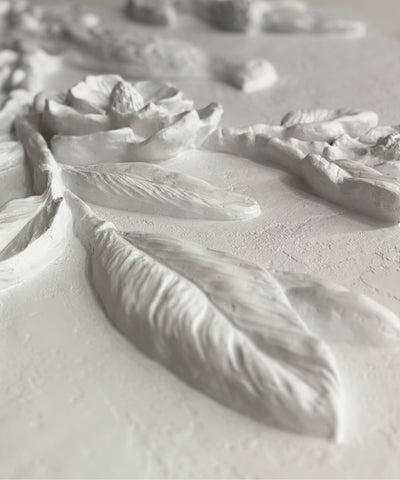
- Layered Textures: Plaster relief creates layers of texture, allowing for deep and intricate designs that catch light and create shadows. These layers build visual depth and character.
- Smooth Transitions & Blends: While the textures are prominent, the transitions between layers are seamless, allowing for smooth blends between the raised and recessed areas.

Inspired by traditional designs, classic plaster relief integrates detailed and ornate designs that add sophistication and elegance to your space. Key features include:
- Ornate Detailing:
Intricate patterns such as acanthus leaves, floral motifs, and scrollwork are sculpted by hand, offering a timeless, classical touch to your interiors. - Architectural Accents: Classic plaster relief can enhance architectural features such as moldings, archways, and fireplace surrounds, turning them into focal points of the room.

For a contemporary twist, geometric plaster relief brings sharp, clean lines and forms to your walls. Here’s what defines it:
- Abstract Shapes:
Geometric plaster designs often feature bold, minimalistic shapes that emphasize symmetry and balance, perfect for modern interiors. - Subtle Depth Variations: Unlike heavy ornamentation, modern plaster relief uses subtle depth variations to create a minimalist yet sophisticated look that works seamlessly in contemporary spaces.

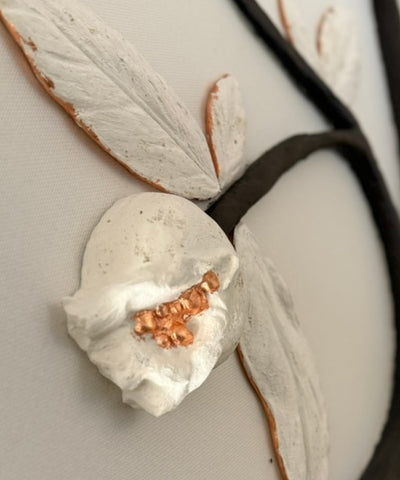
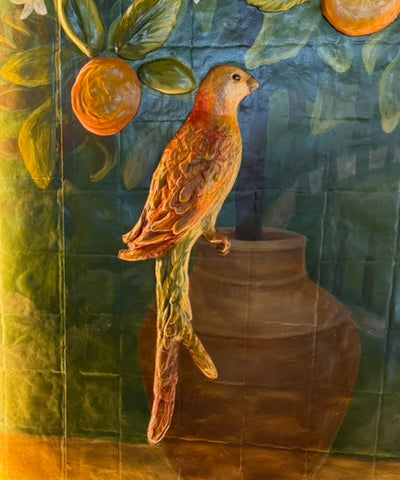
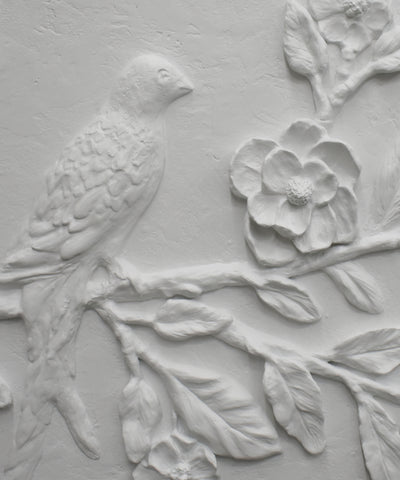
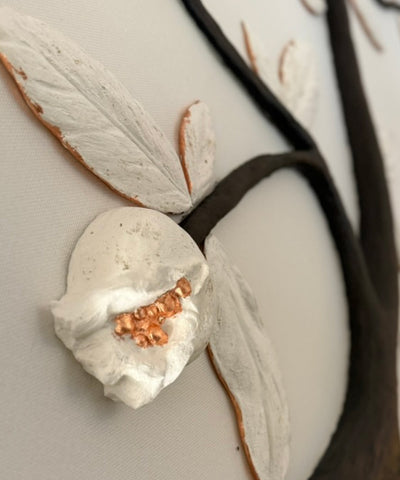
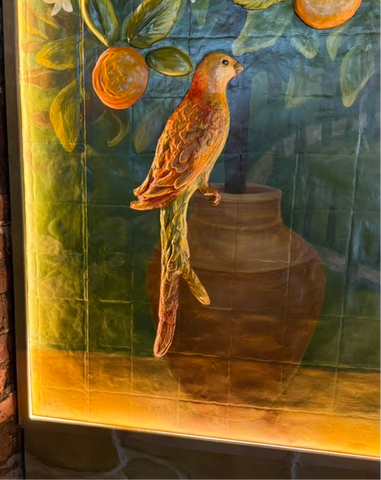
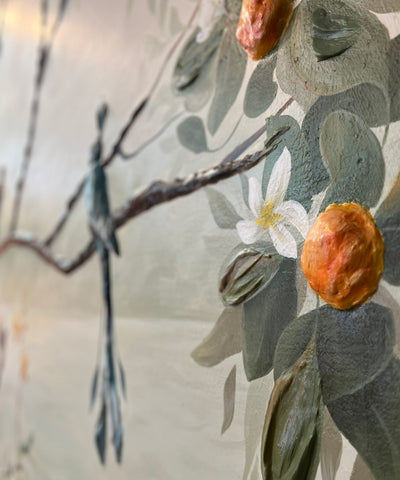
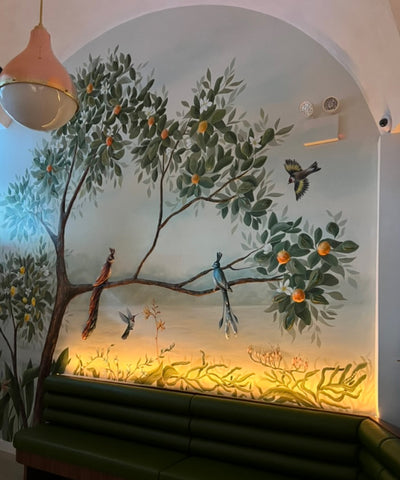
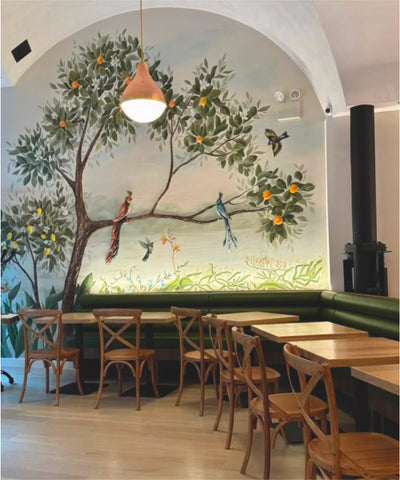
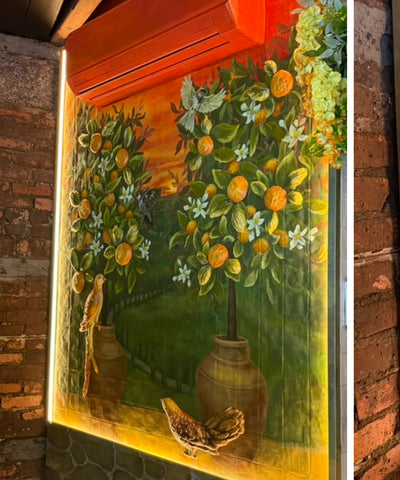
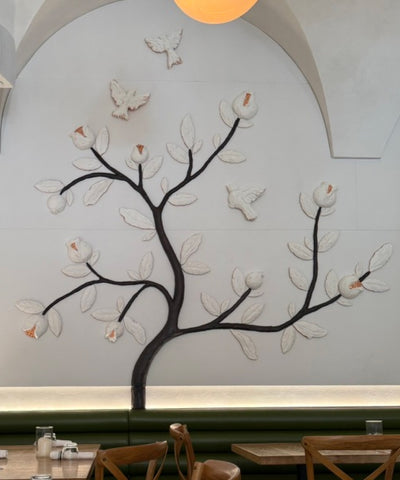
Bringing nature into your home, nature-inspired plaster relief uses organic shapes such as leaves, flowers, and animals to create a calming and natural atmosphere. Features include:
- Organic Flowing Designs:
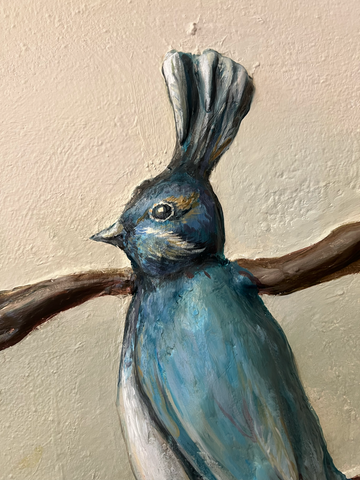
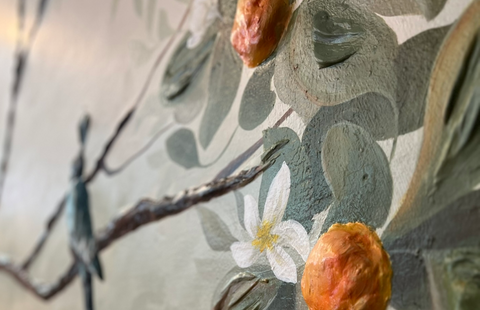
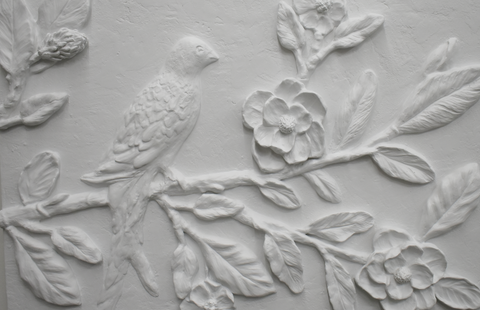
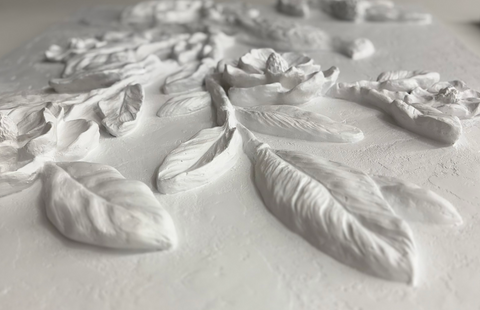
Reliefs that mimic the curves of nature, like winding vines, blooming flowers, or tree branches, provide a sense of movement and life to the walls. - Realistic Detailing: The texture in nature-inspired plaster relief mimics the raw beauty of nature, with sculpted details that cast real shadows and enhance the visual depth of the design.

This style of plaster relief features designs that are sculpted in low relief, where the raised elements are only slightly above the background surface. Characteristics include:
- Subtle Texture:
Bas-relief sculpture creates gentle, tactile depth, giving the artwork a more understated, elegant appearance. - Perfect for Smaller Spaces: This technique is ideal for smaller rooms where space and visual impact need to be balanced, making it a great choice for bathrooms, hallways, or entryways.

No two spaces are the same, and custom plaster relief allows you to design unique, one-of-a-kind art for your walls. Benefits include:
- Tailored to Your Style:
Custom relief offers full creative freedom, whether you want a specific design, motif, or a combination of styles to match your space. - Completely Bespoke Design: Our artisans work closely with you to ensure that every aspect of the relief artwork, from texture to color, is designed to complement your home’s aesthetic.
Benefits of Plaster Relief Art


Client Testimonials

Areas We Serve
Why Choose Us
Personalized service from a skilled plaster relief artist
Commitment to creating impactful, transformative art for any space
Timely project completion
Transparent and flexible budgeting options
Expertise in various plaster relief techniques for different surfaces
Direct communication with the artist throughout the project
Use of premium, long-lasting plasters and materials
Ability to work alongside interior designers, architects, or other contractors
Plaster relief wall art is a three-dimensional wall piece in which an image or ornament projects outward from a flat backing panel, sculpted or cast in plaster. The raised forms catch light and cast soft shadows, giving the surface depth that a flat print cannot reproduce.
FeelFlow creates plaster relief as a made-to-order interior service rather than a finished stock item. The size, motif, relief depth, and finish are developed for a specific interior and wall before the piece is cast.
What Is Plaster Relief, Wall Art
Plaster relief is a sculptural technique in which a design is raised above a flat base while remaining attached to it. The figure or pattern emerges from the panel instead of standing free.
This sets it apart from flat wall decor such as prints, posters, and painted panels. A relief has real physical depth, so its appearance changes with the direction and angle of light rather than staying fixed.
It also differs from full sculpture. A freestanding sculpture can be viewed from all sides, while a plaster relief sculpture is bound to its backing plane and is designed to be seen from the front.
The material is plaster (gypsum), which sets into a smooth, matte, stone-like surface. Its neutral white tone reads cleanly under interior light and can be left raw or tinted and patinated.
Types of Plaster Relief Wall Art
Plaster relief is classified along three dimensions: the depth of projection, the type of motif, and the format of the panel.
By depth of projection:
- Bas-relief (low relief): forms project only slightly from the base, producing subtle shadow and a shallow, refined surface.
- High relief: forms project strongly from the base, with some areas nearly detached, creating deep shadow and pronounced volume.
- Sunken relief: the design is carved into the surface below the base plane rather than raised above it.
By motif:
- Botanical and floral: leaves, branches, and plant forms, common in organic and natural interiors.
- Geometric and abstract: lines, grids, and non-representational shapes suited to minimalist spaces.
- Figurative: human figures, faces, and bodies, often drawn from classical references.
- Ornamental and architectural: scrolls, moldings, rosettes, and decorative borders.
By format:
- Panel: a rectangular or square framed field, the most common format for plaster wall relief.
- Medallion or roundel: a circular composition used as a single focal point.
- Frieze: a long horizontal band, suited to running along a wall or above a doorway.
- Full-wall composition: a large continuous relief covering an entire wall surface.
How to Choose Plaster Relief Wall Art
The right plaster relief is determined by several measurable criteria: size, relief depth, motif and style, finish, placement, and weight.
Size and proportion should match the wall and the room. A piece should occupy a defined share of the wall area, leaving margin around it, rather than crowding the surface or sitting lost on a large empty wall.
Relief depth should be chosen against the available light. Side lighting and raking light intensify the shadows of a relief, so deeper projection reads strongly in those conditions, while flat frontal light favors lower relief with finer detail.
Motif and style should follow the interior. Minimalist rooms suit geometric and abstract forms, neoclassical interiors suit figurative and ornamental motifs, and organic interiors suit botanical forms.
Finish and color set the final appearance. Raw white plaster reads clean and neutral, tinted plaster matches a specific palette, and patinated finishes add an aged, textured look.
Placement determines durability requirements. Plaster is suited to dry interior walls; humid rooms such as bathrooms require a protective sealing finish, and direct contact with water should be avoided.
Weight determines the mounting method. Larger and deeper panels are heavier and require wall anchors rated for the load rather than light adhesive fixings.
How Custom Plaster Relief Art Is Made to Order
Custom plaster relief art is produced to the client's specification, which gives control over motif, dimensions, depth, and finish before the piece exists. The work begins from an interior brief rather than from a fixed catalog item.
The process works as follows:
- Specification: the motif, size, relief depth, and finish are agreed based on the target wall and interior.
- Sketch or model: a drawing or working model is prepared to confirm composition and proportions before casting.
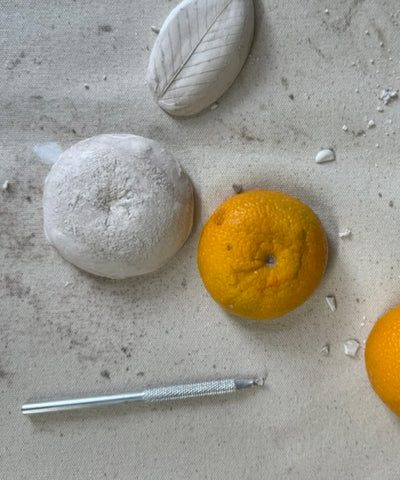
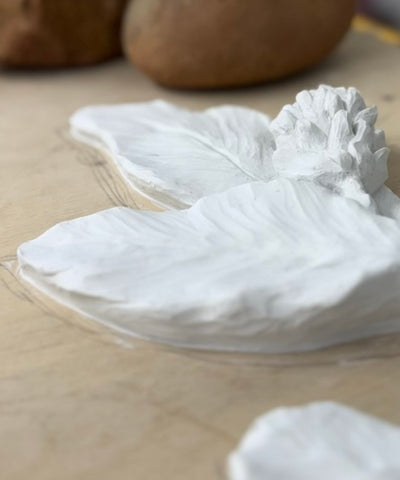
- Casting or sculpting: the relief is cast or hand-sculpted in plaster from the approved model.
- Finishing: the cured piece is tinted, patinated, or sealed, and a protective coating is applied where needed.
Production time depends on the size of the piece, the depth and complexity of the relief, and the chosen finish. Larger compositions and detailed high-relief work require more modeling and curing time than small low-relief panels.
Where Plaster Wall Relief Works Best
The suitability of plaster relief depends on the room and its conditions, primarily lighting and humidity.
In living areas such as living rooms and bedrooms, relief works well as a single accent on a focal wall, where it draws attention without color.
In hallways and stairwells, relief benefits from raking sidelight, which accentuates its shadows and makes the surface more dynamic as a viewer moves past it.
In dining rooms and home offices, a plaster relief sculpture defines a feature wall and adds a tactile, crafted surface that complements the surrounding interior.
Plaster relief is not suited to high-humidity rooms or surfaces in direct contact with water unless it is sealed, since unsealed gypsum absorbs moisture.
How to Install and Care for Plaster Relief
Installation depends on the piece's weight and the type of wall it is mounted on.
Mounting hardware should be matched to the panel's weight. Light panels can be hung on standard fixings, while heavy panels require wall anchors or screws rated for the load and fixed into solid or reinforced points.
The wall surface should be prepared before mounting. The mounting points should be clean and flat, and the fixings positioned so the panel sits flush against the wall.
Care is limited to keeping the surface dry and dust-free. Dust should be removed with a soft dry brush or cloth, moisture and humidity should be avoided, and small chips can be filled and retouched with plaster.
Frequently Asked Questions
Is plaster relief suitable for bathrooms or humid rooms?
Plaster relief is suitable for humid rooms only when it is sealed with a protective coating. Unsealed gypsum absorbs moisture, so a sealed finish is required, and direct contact with water should still be avoided.
What's the difference between plaster and resin relief?
Plaster relief is cast from gypsum and has a matte, stone-like surface, while resin relief is cast from synthetic resin and is lighter and more water-resistant. Plaster gives a more natural, mineral appearance, which suits interior feature walls.
How long does a custom plaster relief take to make?
Production time depends on the size, relief depth, and finish of the piece. Small low-relief panels are faster to produce, while large or detailed high-relief work requires more modeling, casting, and curing time.
Can I request a specific motif or size?
Yes. Plaster relief wall art is made to order, so the motif, dimensions, relief depth, and finish are developed to your specification and interior before casting.
How heavy is a plaster relief panel?
Weight depends on the panel's size and relief depth, as deeper and larger pieces use more plaster. Heavier panels require wall anchors rated for the load rather than light adhesive fixings.