
Mural Painting Services in Manhattan
Transform Walls into Masterpieces with Feel Flow Space
Get a quoteBringing Fresh Artistic Vision to Walls of Manhattan

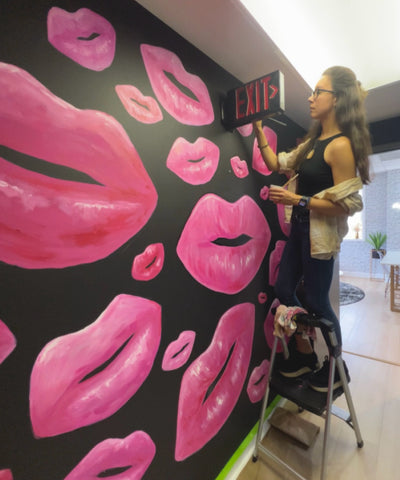
Karina is a passionate mural artist with over 10 years of experience, skilled in a variety of techniques like acrylic paint, plaster, and mixed media. She finds joy in the beauty of nature and the stories people share, using them as inspiration for her art.
Karina is indeed in love with using her artistic skills to help others transform their spaces into unique, story-filled wall mural masterpieces. Her favorite phrase, "You never know until you try" serves as a constant reminder to embrace challenges with courage and determination.




Mural styles & Techniques Used


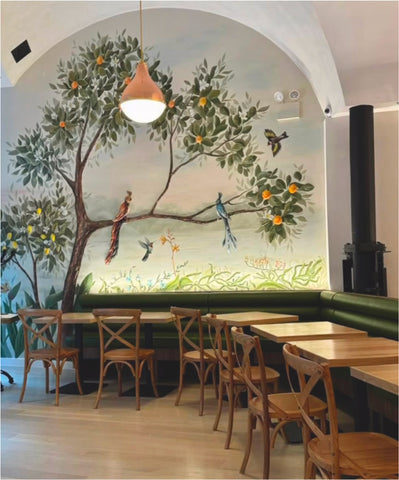
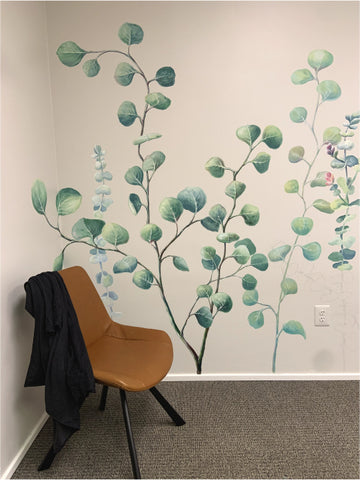
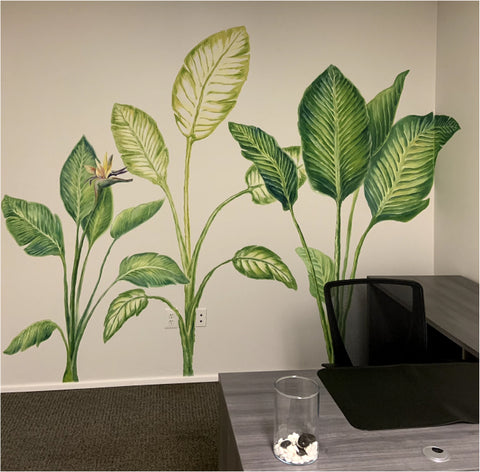
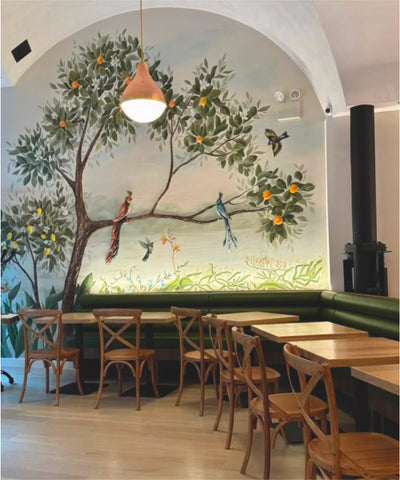
A detailed mural is a type of artwork that involves more complex mural techniques in painting, characterized by:
- Color Blends and Transitions: Detailed murals often feature seamless transitions between colors, creating a more smooth and realistic appearance.
- Complex Color Palette: These murals typically employ a wide range of colors, various shades, tones, and subtle color variations to add depth and complexity to the mural composition.


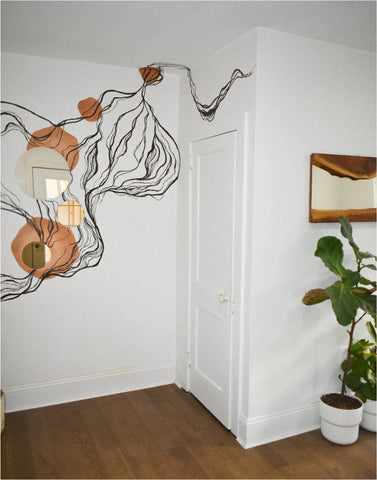
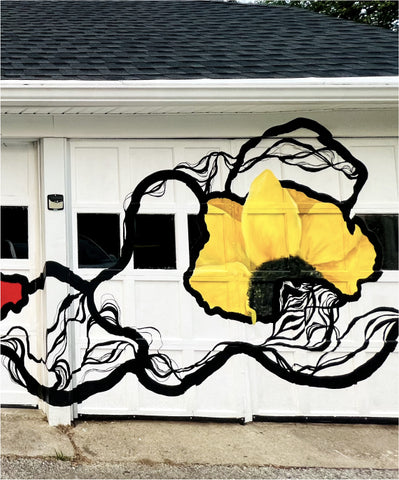
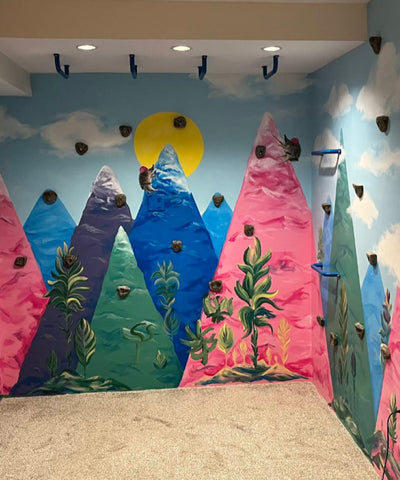
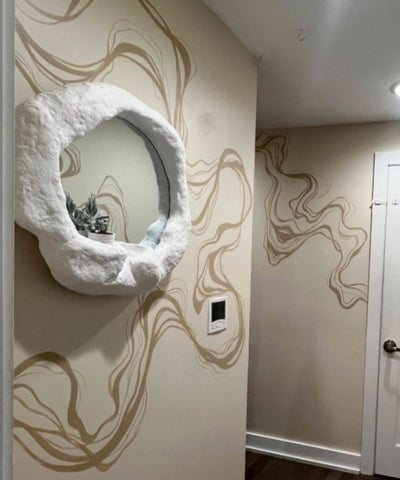
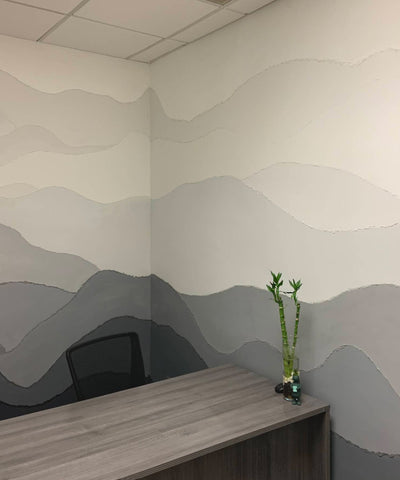
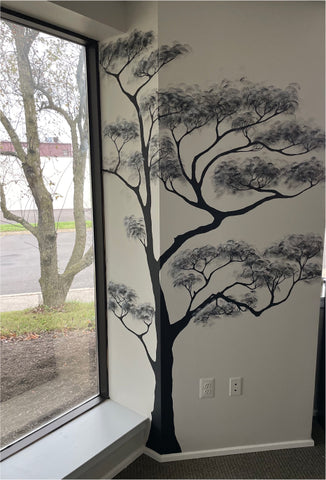
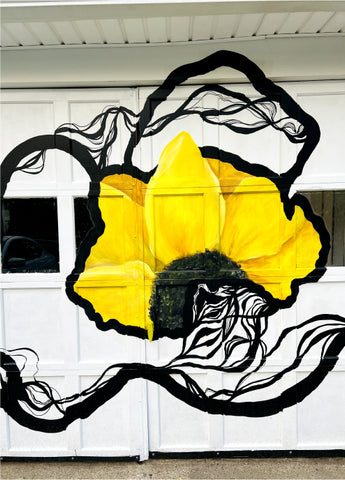
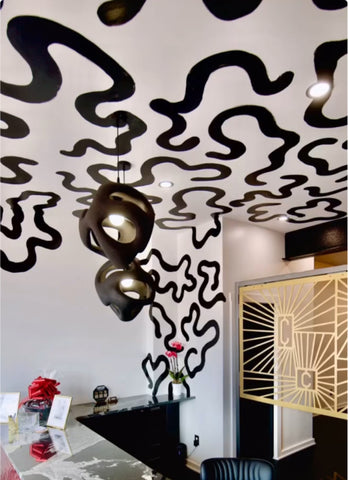
Abstract style murals represent a departure from the realm of realistic depictions. Here are some key features and explanations of abstract style murals.
- Flat and Bold Colors: Abstract murals often employ bold and flat colors, which means that they do not incorporate intricate color blends or transitions. This use of flat colors contributes to the mural's simplicity and clarity.
- Simplified and Unrealistic Forms: In contrast to realistic depictions, abstract murals feature simplified and often unrealistic forms and shapes.


Benefits of Mural Painting




Client Testimonials



Areas We Serve
Why Choose Us in Manhattan
Personalized service from a skilled Manhattan mural artist
Commitment to creating impactful, transformative art for any space
Timely project completion
Transparent and flexible budgeting options
Expertise in various mural painting techniques for different surfaces
Direct communication with the artist throughout the project
Use of premium, long-lasting paints and materials
Ability to work alongside interior designers, architects, or other contractors
A single square foot here costs more than rent in most of the country, and that changes what a wall is for. When you commission a mural in Manhattan, the artwork is not decoration added at the end — it is the piece that makes a compact apartment feel deliberate instead of cramped, or gives a large one the character that furniture alone never delivers.
Feel Flow Space works across Manhattan on interiors where space is the constraint and the building has opinions about how work gets done. Lead artist Karina brings over 10 years of mural work and a prior career in law and technology — a background that shows up as board-ready documentation, schedules that hold, and proposals that state what is included before anything begins. The person who designs the composition is the person who paints it.
Mural Artist in Manhattan — Working Within Real Constraints
Manhattan interiors ask questions no suburban project encounters. Eight-foot ceilings that need to read taller. Rooms with no exterior wall and no natural light. Sleeping areas separated from living areas by nothing but a change in the wall. Buildings with rules about hours, elevators, insurance, and who is admitted past the doorman.
Residents who start by looking for a mural artist near me usually find two kinds of results: decorative painters who execute a drawing handed to them, and artists who author the composition, adapt it to the room, and stand behind how it ages. The second is what this work requires when the wall in question is the only wall.
Space Perception and Light
Perspective and color placement do most of the heavy lifting in small rooms. A composition built on receding planes makes a studio read deeper than it measures. Trompe l'oeil creates architectural features a budget cannot build — a false window that adds implied light to an interior room, an arch where there is only drywall. These techniques work because they are constructed correctly, not approximated, which takes training in perspective and color theory rather than a steady hand.
Light decides the palette before anything else. Manhattan light arrives filtered through building canyons and bounced off glass, and it behaves differently in a fourth-floor pre-war unit than in a fortieth-floor tower. North-facing rooms need palettes that compensate for cool, indirect illumination all day. South-facing rooms can carry complexity that shifts as shadows move. We sample color on your actual wall before committing, because a palette chosen from a swatch book can fall flat in the room it was chosen for.
Manhattan Neighborhoods and What They Ask For
Building age and architecture shape the brief more than personal taste does, and the difference between districts is practical before it is aesthetic.
Upper East Side
Pre-war apartments near Museum Mile, with period detail worth working around rather than over. Sophisticated palettes and restrained composition suit rooms where the moldings are already doing something. Private dining rooms take classical themes well.
SoHo and Tribeca
Cast-iron and converted industrial buildings with tall ceilings and massive windows. These volumes reward large-scale work that holds its own against the architecture; smaller compositions disappear in them. Exposed brick and columns are features to design with, not obstacles.
Greenwich Village and Chelsea
Townhouses and low-rise buildings where intimate compositions enhance historic character without shouting over it.
Midtown and the Financial District
Offices and towers where the brief is usually commercial and the schedule is set by building management rather than by us.
Upper West Side and Washington Heights
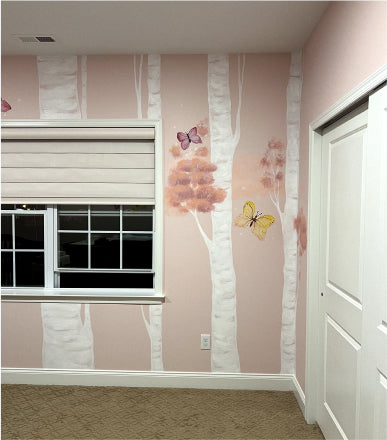
Family apartments and brownstones where calm matters more than statement — nature scenes, soft gradients, and nursery work are the most consistent requests.
Residential Murals Across Manhattan
The apartment type decides the approach as much as the room does, and the range here runs from micro-studios to full-floor residences.
Apartments and Co-ops
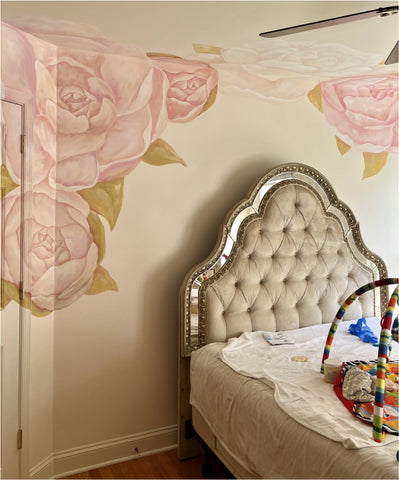
An accent wall can make a living room read larger through perspective and color placement. A kitchen backsplash becomes the focal point and removes the need for additional artwork crowding the counter. A bedroom composition creates a retreat through visual calm rather than expensive acoustic work. In studios, a single wall defines separate zones without a partition taking floor area, and a reading corner gains privacy through a botanical composition rather than a screen.
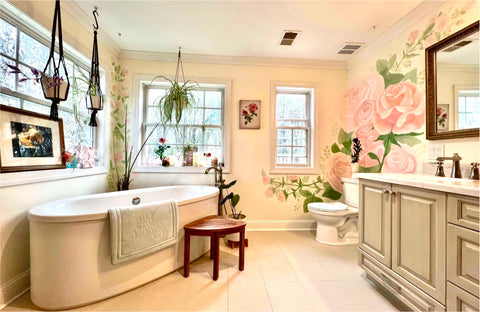
Windowless powder rooms are the most underrated surface in the city. An enveloping design and the right moisture-appropriate sealer turn the room people apologize for into the one guests mention.
Penthouses and Full-Floor Residences
Fourteen-foot ceilings and floor-to-ceiling glass create the opposite problem: scale. A composition that reads beautifully at eye level can vanish on a wall that tall. We design for multiple vantage points at once, and we plan around the view rather than competing with it — artwork that works alongside a park or skyline outlook rather than asking the room to choose.
Loft Conversions
Converted industrial buildings offer dramatic volumes and difficult surfaces in the same room. Exposed brick needs specialty primers. Cast-iron columns and massive windows interrupt any composition that ignores them. Kitchen areas in loft conversions often become the focal point, and the mural has to sit alongside custom millwork and appliances without looking like an afterthought.
Home Offices and Video-Call Backgrounds
Home offices became their own design category and have stayed one. A background wall visible on video calls, an inspiration panel behind the desk, a trompe l'oeil bookshelf that turns storage into a designed element — these read as considered in a way that a paint color never does, and they have to stay interesting to sit in front of for eight hours.
Working With Manhattan Building Requirements
Board and management approvals are their own phase of the project, and treating them as an afterthought is what delays starts.
Co-op and condo boards often require a written proposal before any work begins. Property managers need documentation of materials and installation methods that satisfy building codes and insurance requirements. We supply digital design sketches, material specifications, and certificates of insurance appropriate for high-value properties, so approvals do not become the bottleneck.
Scheduling follows building rules rather than ours: quiet hours, freight elevator reservations, protected common areas and hallways, doorman coordination, and delivery windows that keep materials out of shared space. In occupied apartments we stage the work area and clean daily. Ventilation matters too — low-odor, low-VOC materials are standard rather than an upgrade, because the apartment stays lived in while we work.
Commercial Murals for Manhattan Offices and Practices
Business interiors ask a mural to look considered and support how the space operates at the same time. The brief changes with the industry, and so do the materials.
Corporate and Financial Offices
Lobby installations create a first impression that outlasts the meeting. Conference rooms with the right visual element encourage a different quality of thinking in sessions where ideas carry weight. Open-plan floors use artwork to mark zones without adding walls. Offices in this sector also expect discretion and after-hours scheduling as a default, along with the certificates a facilities manager will ask for before anyone is admitted.
Creative and Media Workplaces
Agencies, studios, and media companies compete for talent partly through the environment they offer. Reception areas need work that communicates originality while staying credible to clients. Collaborative spaces benefit from composition that stimulates without pulling focus during the hours people are actually working there.
Hospitality, Healthcare, and Wellness
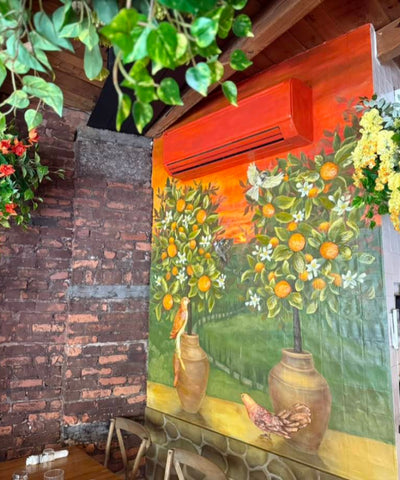
Restaurants and hotel interiors need artwork that holds up in daylight and under evening lighting, survives humidity near cooking areas, and builds atmosphere without pulling attention off the table. Medical and wellness practices choose materials for cleanability and low odor as much as for color — pediatric waiting rooms, therapy offices, yoga studios, and spa interiors all rely on the visual environment before a word is spoken.
Surfaces: Pre-War Plaster and Glass-Tower Drywall
What sits under the paint decides the method, and Manhattan splits cleanly into two building stocks.
| Surface | What it needs before painting |
|---|---|
| Century-old plaster | May need stabilizing before anything goes over it; older buildings often carry humidity that affects which formulations will hold |
| New construction drywall | The right bonding primer to take pigment evenly |
| Walls in glass-curtain towers | Pigments and sealers chosen for direct sun through floor-to-ceiling glass, which pre-war rooms never face |
| Brick and concrete | Their own specialty primers, selected per substrate |
We assess the surface during consultation and say plainly when a repair should come first — delaying a project beats painting over a problem that will come back through the finish.
What Shapes the Cost of a Manhattan Mural
Every proposal is measured against the actual space rather than quoted from a rate card. These are the factors that move the number:
- Wall size and ceiling height — double-height walls requiring scaffolding or a lift add meaningfully to scope
- Design complexity — detailed figurative, botanical, or trompe l'oeil work takes considerably longer than geometric or tonal compositions
- Surface condition — pre-war plaster needing stabilization, or brick and concrete requiring specialty primers, adds preparation time
- Building access — freight elevator reservations, restricted working hours, doorman coordination, and protected common areas extend the schedule
- Board and management requirements — written proposals, material documentation, and insurance certificates for co-op or condo review
- Design stakeholders — work developed alongside an interior designer or architect involves additional revision rounds
A standard scope includes concept development with digital sketches, on-wall color sampling, minor surface prep, professional materials, hand painting, protective sealer where needed, and full cleanup. Anything outside it — major wall repairs, lift rental, specialty equipment, unusual access — is itemized before signing rather than discovered halfway through.
From Consultation to Finished Wall
- First conversation — in your apartment or by video, covering dimensions, references, surface condition, building requirements, and how the room is used.
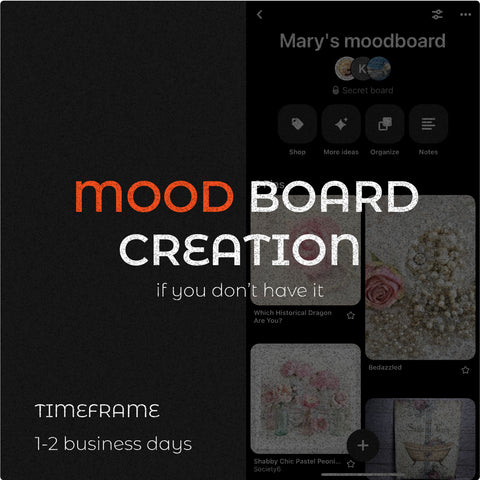
- Mood board — colors, composition directions, and emotional register, shared through whatever platform you already use.
- Proposal — itemized scope and a realistic schedule, in a format that can go to a board or managing agent as-is.
- Design — digital sketches placed in your real space rather than generic renderings, refined across revision rounds.
- Painting and sealing — staged work area, daily cleanup, appropriate topcoat, walk-through with care notes.
A single accent wall can move from design approval to finished mural in under two weeks. Multi-room commissions and detailed design phases take longer, and board review adds its own calendar. The schedule is set at proposal stage, not discovered along the way.
Frequently Asked Questions
These come up in nearly every first conversation with Manhattan clients, from first-time co-op owners to facilities managers commissioning lobby work.
How Should I Compare Mural Painters Near Me in Manhattan?
Look past whether you like the portfolio. When comparing mural painters near me, ask who designs the composition and who paints it, how many revision rounds are included before work starts, and what protective sealer is specified in writing. Then ask what they have submitted to a co-op board before. In Manhattan that last answer predicts whether a project starts on schedule more reliably than anything in the portfolio.
Do I Need Co-op or Condo Board Approval for an Interior Mural?
Interior work inside a private unit often does not require board approval, but most buildings ask for documentation of materials, methods, and insurance before any contractor is admitted. Common areas, hallways, and lobbies almost always require formal review. We prepare the written proposal, specifications, and visuals those reviews call for, in a format that can be submitted without rewriting.
Can I Commission a Muralist Near Me If I Rent My Apartment?
Yes, with written landlord permission, and the lease usually determines whether the wall must be returned to its original state at move-out. A muralist near me working in rental units plans for that from the start — primer layers and paint systems chosen so the surface can be restored cleanly if required. Owners often commission the work themselves, since a hand-painted feature wall holds value between tenants.
Can a Mural Make a Small Apartment Feel Larger?
Within limits, yes. Perspective, receding planes, and controlled value contrast make a room read deeper than it measures, and trompe l'oeil can suggest a window or an opening where the architecture has none. It works when the composition is built on correct perspective rather than approximated, and when the palette accounts for the light the room actually gets.
What Surfaces Work for a Mural in a Manhattan Apartment?
Drywall, plaster, and properly prepared brick, concrete, and wood all work. Century-old plaster sometimes needs stabilizing first, and high-humidity rooms take specific formulations and sealers. We assess the surface during consultation and say plainly if a repair should happen before design work begins.
How Do You Work Around an Occupied Apartment?
The work area is staged and protected, materials are low-odor and low-VOC because the apartment stays lived in, and the space is cleaned daily. Working hours follow building quiet periods, and deliveries are coordinated with the doorman and freight elevator so nothing blocks shared space.
Which Parts of Manhattan Do You Serve?
We work across the island — the Upper East Side, Upper West Side, SoHo, Tribeca, Greenwich Village, Chelsea, Midtown, the Financial District, Harlem, and Washington Heights. Virtual consultations are available for clients planning ahead of an in-person visit.
Start Your Manhattan Project
Bring floor plans, inspiration images, or nothing but the wall that has been bothering you every morning. The first consultation — in your apartment or by video — covers what the room can carry, how long the work takes, what the building will require, and what shapes the cost, with an itemized proposal to follow. Contact Feel Flow Space to begin.